Is My Toddler Talking Enough? A Guide to Speech Milestones by Age
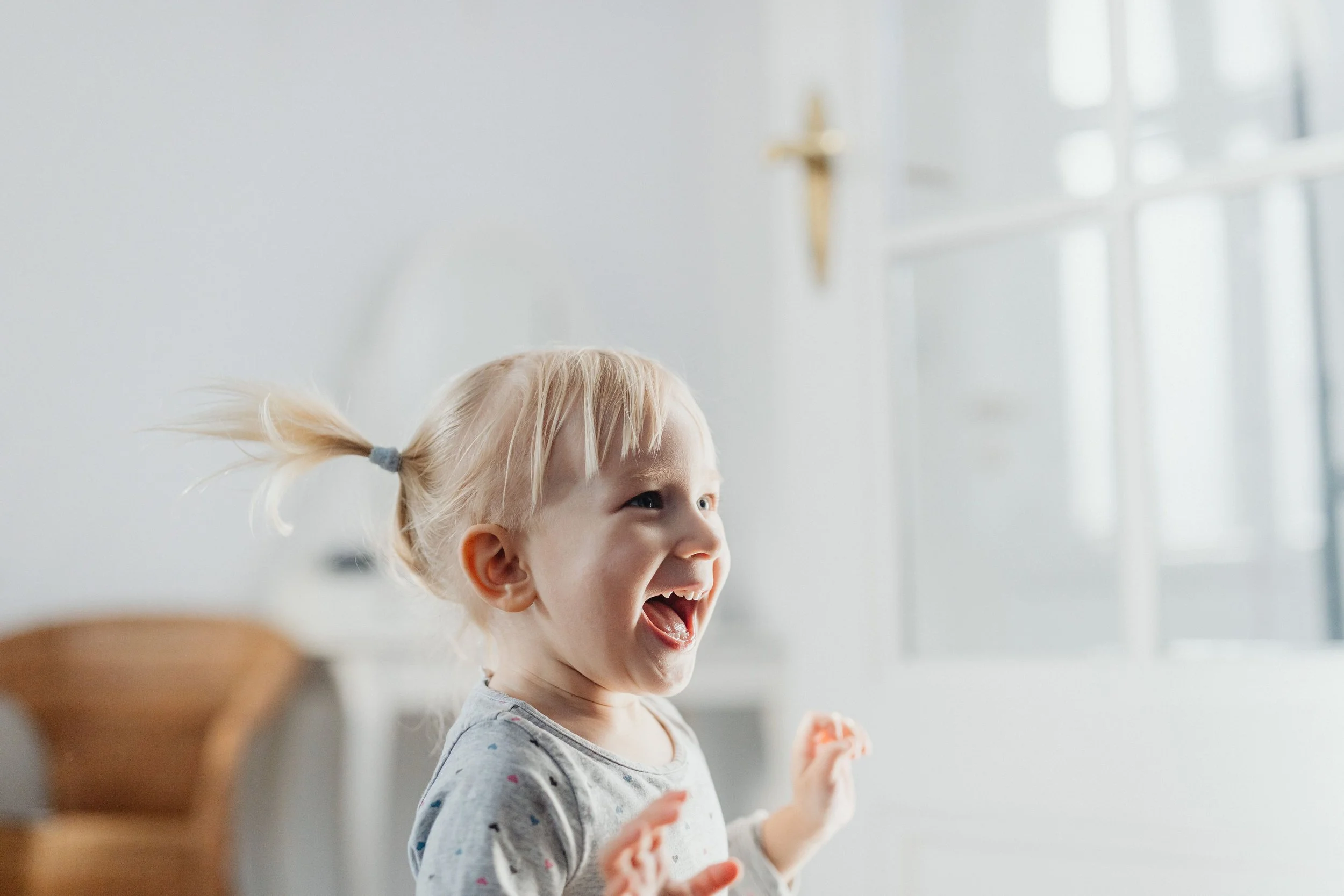
One of the most common questions parents ask is:
"Is my child talking enough for their age?"
It's completely normal to compare your child's speech to siblings, cousins, or children at the playground. While every child develops at their own pace, understanding typical speech and language milestones can help you recognize what's expected—and when it may be helpful to seek additional support.
The good news is that children develop communication skills over time, and there is a wide range of what's considered typical. Knowing what to look for can help you feel more confident as your child grows.
What Are Speech and Language Milestones?
Speech and language milestones are skills that most children develop within a general age range.
These milestones include much more than saying words.
Communication also involves:
Understanding language
Responding to others
Using gestures
Making eye contact
Following directions
Combining words into sentences
Playing and interacting socially
Every child reaches these milestones at their own pace, but consistent progress over time is important.
Birth to 12 Months
Even before babies say their first words, they are learning how communication works.
During the first year, many babies begin to:
Respond to familiar voices
Smile and interact with caregivers
Make cooing and babbling sounds
Turn toward sounds
Respond to their name
Use gestures such as reaching or waving
Say simple words like "mama" or "dada" with meaning near their first birthday
These early communication skills create the foundation for future language development.
12–18 Months
Between one year and eighteen months, many toddlers begin using their first meaningful words more consistently.
You may notice your child:
Saying several familiar words
Pointing to favorite objects
Following simple one-step directions
Understanding far more words than they can say
Using gestures along with spoken words
Trying to imitate new words
It's common for children to understand much more language than they are able to express.
18–24 Months
Language often grows rapidly during this stage.
Many toddlers begin:
Learning new words almost every week
Naming familiar people and objects
Following simple directions
Combining two words together, such as:
"More milk"
"Daddy home"
"Go outside"
Asking for favorite items using words
Vocabulary can expand quickly during this period, although every child develops at a different pace.
Around 2 Years Old
By age two, many children are becoming more confident communicators.
You may notice your toddler:
Using short two- to three-word phrases
Naming familiar objects
Answering simple questions
Following two-step directions
Enjoying books and simple conversations
Beginning to ask questions
Parents also often notice their child's personality beginning to shine through communication.
Around 3 Years Old
By age three, children are typically becoming much easier for familiar adults to understand.
Many children are:
Speaking in short sentences
Asking lots of questions
Talking about daily experiences
Following more complex directions
Participating in conversations
Using a growing vocabulary
While pronunciation is still developing, communication should become increasingly clear.
Around 4 Years Old
By age four, many children are:
Speaking in longer sentences
Telling simple stories
Answering "who," "what," "where," and "why" questions
Following multi-step directions
Talking easily with both familiar and unfamiliar adults
Enjoying conversations with peers
Speech should generally be understandable most of the time, although some speech sounds may continue developing over the next few years.
Signs You May Want to Seek an Evaluation
Every child develops differently, but it may be helpful to speak with a speech-language pathologist if your child:
Isn't using words by around their first birthday
Has a very limited vocabulary compared with peers
Rarely combines words by age two
Has difficulty following simple directions
Becomes frustrated because they cannot communicate
Is difficult for family members to understand
Stops using words they previously used
Shows little interest in communicating with others
An evaluation does not automatically mean therapy is needed. It simply provides a clearer understanding of your child's communication skills and whether additional support may be beneficial.
Why Early Intervention Matters
Children learn language best through everyday interactions, play, and meaningful experiences.
When communication challenges are identified early, families can often receive guidance and strategies that support continued development during these important early years.
Many parents worry that seeking an evaluation means something is seriously wrong.
In reality, an evaluation is simply a way to better understand your child's strengths, identify any areas of concern, and determine whether support may be helpful.
How Speech Therapy Can Help
Speech therapy is individualized for every child.
Depending on your child's needs, therapy may focus on:
Expanding vocabulary
Encouraging first words
Building longer phrases and sentences
Improving speech clarity
Strengthening social communication skills
Following directions
Supporting play-based language development
Sessions are designed to be engaging, interactive, and tailored to each child's developmental level.
Trust Your Instincts
As a parent, you know your child better than anyone.
If you've found yourself wondering whether your toddler is talking enough, it's okay to ask questions.
Sometimes reassurance is all that's needed.
Other times, early guidance can make a meaningful difference.
Seeking support doesn't mean you've done anything wrong—it simply means you're giving your child every opportunity to succeed.
We're Here to Help
At The Nurturing Room, we provide compassionate, evidence-based pediatric speech therapy for families throughout Broward County and South Florida.
If you have questions about your child's speech or language development, we'd be happy to help you determine the next steps.
Ready to learn more? Contact The Nurturing Room to schedule a pediatric speech therapy consultation.
