Bottle Refusal: Why It Happens and What You Can Do
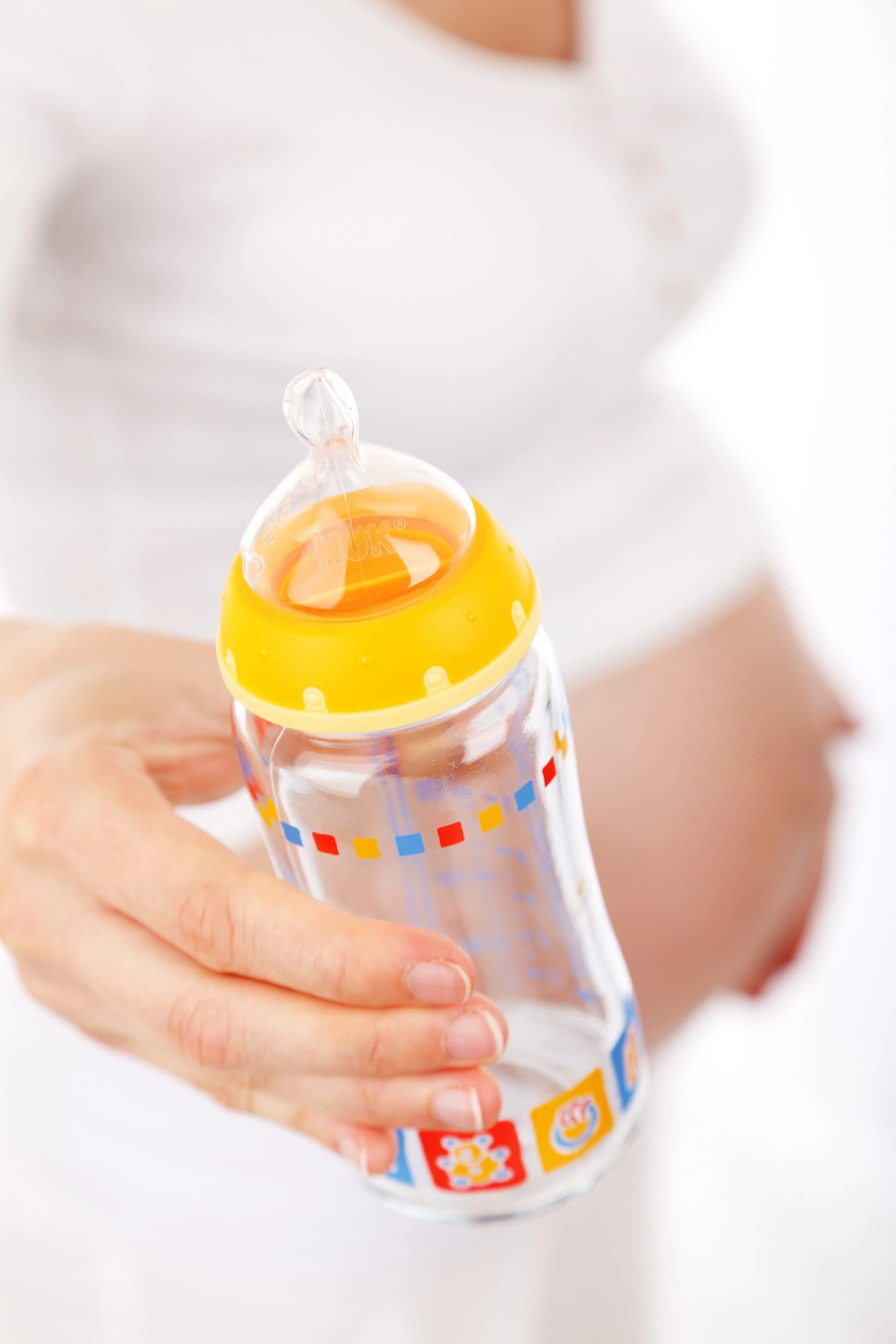
Bottle refusal can be one of the most frustrating feeding challenges families face.
Many parents spend weeks preparing for a return to work, a special event, or simply the flexibility that bottle feeding can provide—only to discover that their baby refuses the bottle entirely.
If your baby won't take a bottle, you're not alone. Bottle refusal is surprisingly common, especially among breastfed babies.
The good news is that there are often practical strategies that can help.
What Is Bottle Refusal?
Bottle refusal occurs when a baby consistently resists or rejects bottle feeding.
Some babies may cry when a bottle is offered. Others may push the nipple away, become upset during feeding attempts, or simply refuse to drink despite appearing hungry.
Bottle refusal can happen suddenly or develop gradually over time.
Why Do Babies Refuse Bottles?
There is rarely a single cause.
Instead, bottle refusal often results from a combination of factors.
Preference For Breastfeeding
Many breastfed babies prefer the comfort, familiarity, and feeding pattern they experience at the breast.
A bottle simply feels different.
Timing
Sometimes parents introduce bottles at a stage when babies are becoming more aware of their preferences and routines.
Flow Rate
The bottle nipple flow may be too fast or too slow for your baby's feeding style.
Feeding Position
Small adjustments in positioning can sometimes improve bottle acceptance.
Oral Motor Challenges
Some babies experience feeding difficulties related to oral motor coordination, tongue movement, or feeding mechanics.
Stress Around Feeding
When everyone becomes anxious about bottle feeding, babies often sense that stress.
Feeding struggles can sometimes become a cycle where frustration increases for both parent and child.
When Should You Introduce A Bottle?
Every family has different goals.
For breastfeeding families, introducing a bottle after breastfeeding is well established is often recommended, but timing varies depending on individual circumstances.
If you're planning to return to work or anticipate regular bottle use, discussing a personalized plan with a lactation consultant can be helpful.
What Can You Try At Home?
While every baby is different, some strategies may help:
Experiment with different bottle nipples
Try feeding when baby is calm
Have another caregiver offer the bottle
Change feeding positions
Offer the bottle before baby becomes extremely hungry
Keep feeding sessions relaxed and pressure-free
Sometimes small adjustments can make a significant difference.
When Should You Seek Help?
It may be time to seek support if:
Bottle refusal is causing significant stress
Your return to work is approaching
Your baby is not taking enough milk
Feeding attempts consistently end in frustration
You've tried multiple strategies without success
Early guidance often helps families avoid weeks of unnecessary stress and trial-and-error.
How A Lactation Consultant Can Help
A lactation consultant can evaluate the feeding situation as a whole.
Support may include:
Feeding assessment
Bottle selection guidance
Nipple flow recommendations
Oral motor observations
Individualized feeding strategies
Transition planning for returning to work
The goal is to create a feeding plan that works for both baby and family.
You Don't Have To Navigate Bottle Refusal Alone
Bottle refusal can feel overwhelming, especially when timelines such as returning to work add additional pressure.
The good news is that many babies learn to accept bottles with the right support and approach.
The Nurturing Room provides personalized lactation consulting for families throughout Broward County and South Florida through in-home and virtual consultations.
If your baby is struggling with bottle feeding, we're here to help.
